When you ask people about Yorkshire, many will know about our two national parks – The Yorkshire Dales and The North York Moors, but the Yorkshire Wolds never seems to get the recognition it deserves.
This could soon be set to change with last year’s announcement by Natural England that The Yorkshire Wolds was being considered as an Area of Outstanding Natural Beauty (AONB). The drive for this recognition is being supported by East Riding of Yorkshire Council.
Even many Yorkshire folk are unfamiliar with the area – so where are the Yorkshire Wolds?
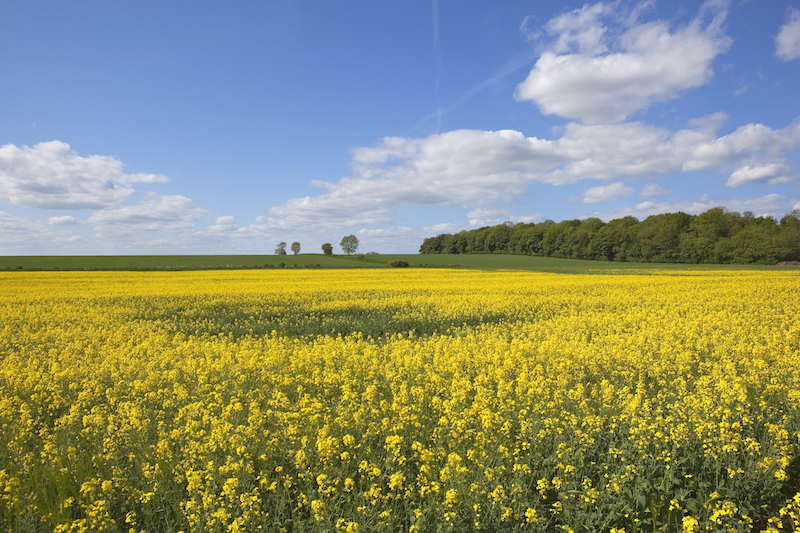
The Wolds are an area of chalk upland and gently rolling hills which extend from the Humber Estuary to Flamborough Head, containing dry valleys, quaint historic villages, ancient woodland, farm holdings and East Riding market towns. The area has recently inspired Yorkshire artist David Hockney who has painted many of its landscapes.
There are already 46 AONB’s in England (and two in Yorkshire – Nidderdale & the Howardian Hills). Areas are chosen to be given this status due to their beautiful landscapes and important wildlife habitats. They tend to have similar rules to national parks but are generally managed by local authorities and would provide greater protections for future generations.
East Yorkshire MP Sir Greg Knight is delighted with this announcement which now progresses the campaign to its final stage.
“It is clear to anyone living in, or visiting our region, that the Yorkshire Wolds and the surrounding area is outstandingly beautiful and this announcement is entirely appropriate, if overdue”.
AONBs tend to bring in benefits such as increased tourism and gives the local authority a duty to manage the area. It is also considered to give authorities greater powers to restrict unwelcome developments.
The Chair of Natural England Tony Juniper said: “The announcement signals an ambitious step forward in growing our family of precious national landscapes, as well as protecting and improving the ones we have.
“One thing that has become very apparent recently, and especially during the pandemic, is the enormous benefit people get from having access to beautiful nature-rich landscapes.
Let’s hope this new status goes through and as guides we get asked to show more visitors the beauty, history and heritage of this distinct and stunning landscape.
Contributed by Tim Barber – Yorkshire Blue Badge Guide